


The History of Wrought Iron in American Homes
por Maddison Mellem en Aug 10, 2025Wrought iron isn’t just a material—it’s a signature of craftsmanship, a stamp of strength, and a living piece of American history. From early colonial settlements to frontier homesteads and Victorian brownstones, wrought iron has shaped the look and feel of American homes for generations.
At Old West Iron, we don’t just make hardware—we carry on the legacy of a craft that helped build this country. Here's a look back at how American wrought iron became a staple in homebuilding and design, and why heritage hardware still matters today.
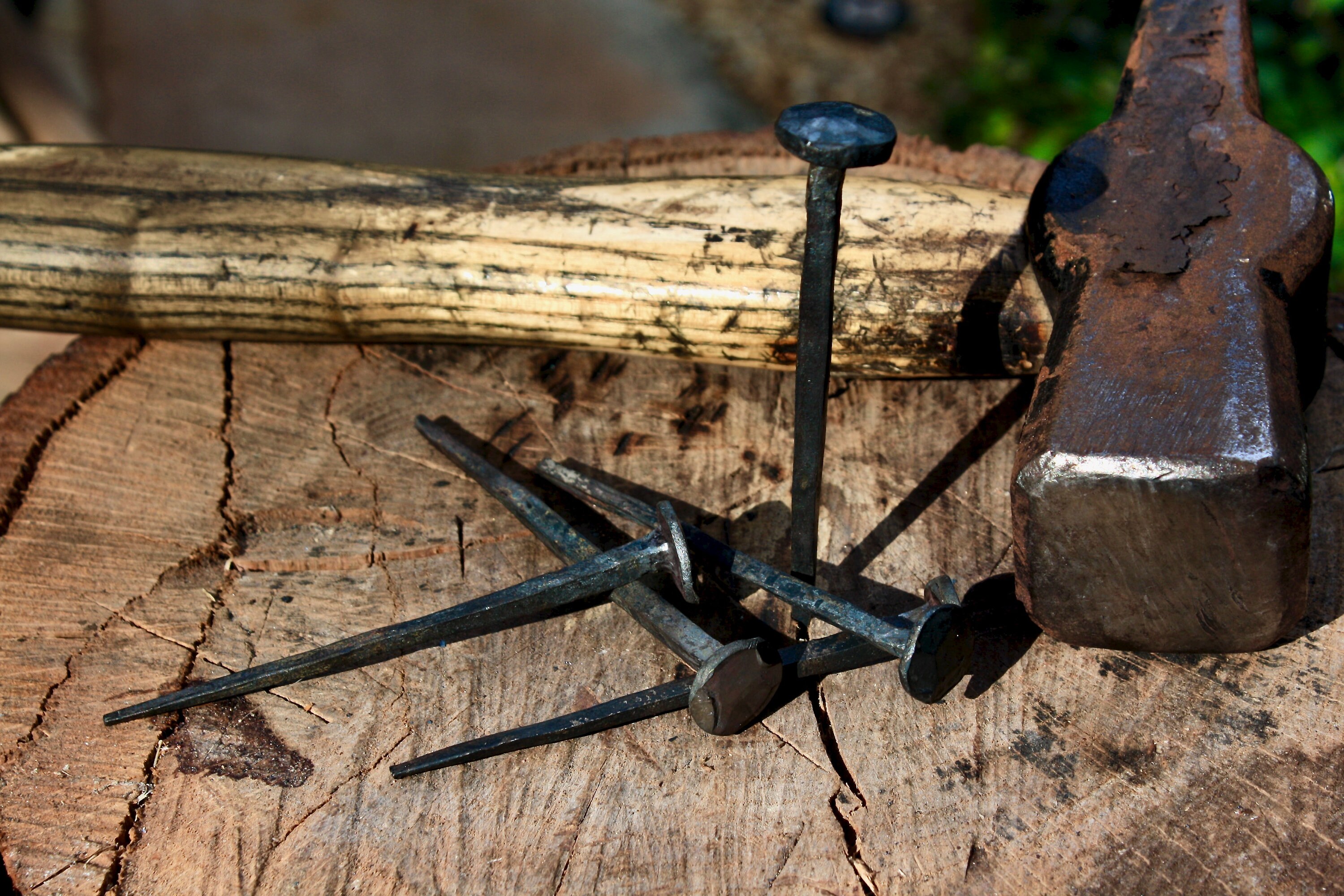
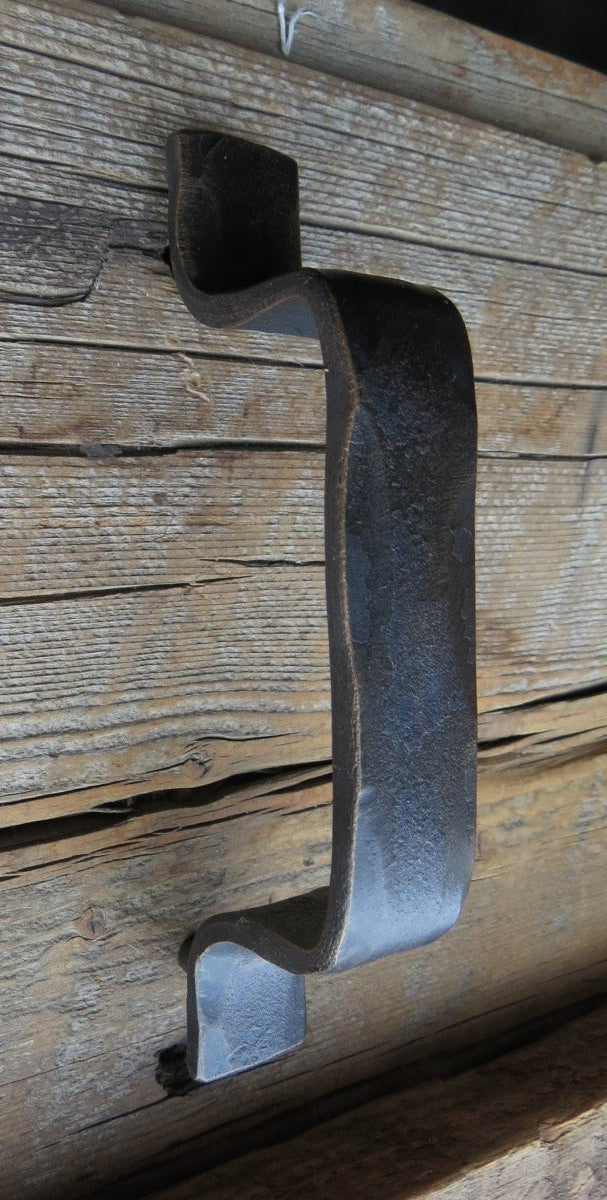
Forged in Fire: Early American Ironwork
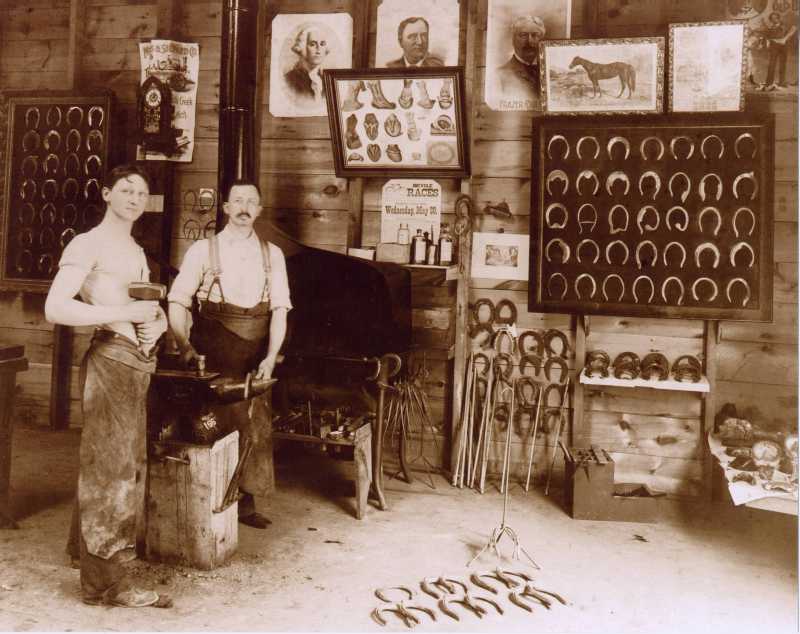
When settlers first arrived in the New World, iron was one of the most prized materials they could get their hands on. The ability to make nails, hinges, latches, and tools was vital to survival—and those who could shape iron by hand were as valuable as the black powder and livestock they traveled with.
In the 17th and 18th centuries, blacksmiths became essential members of every town and homestead. They crafted everything from fireplace tools to barn hinges, producing one-of-a-kind pieces that weren’t just functional—they were a reflection of the builder’s pride and the blacksmith’s skill.
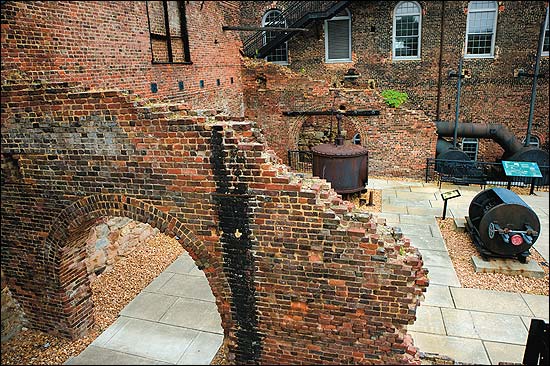
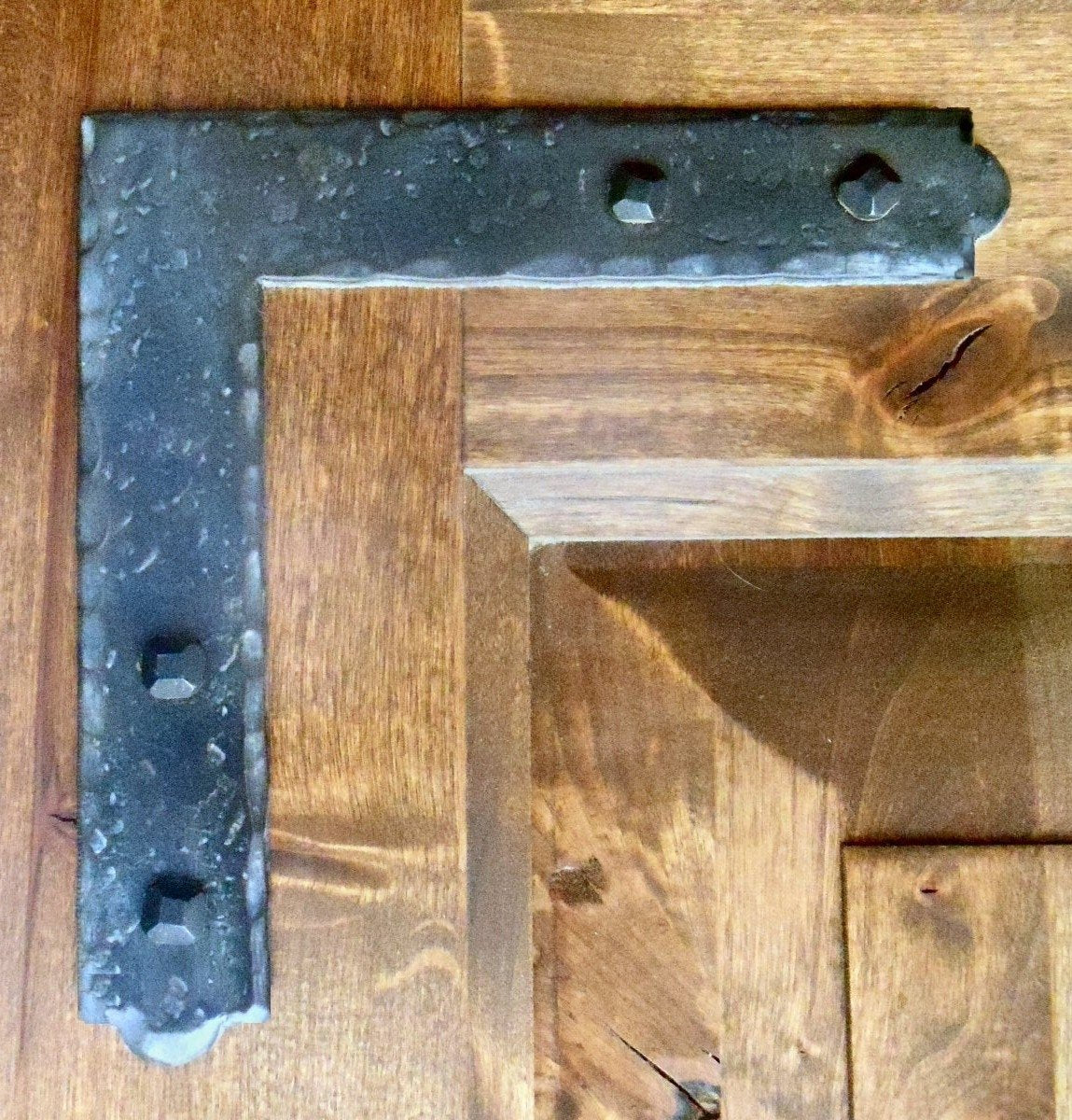
Colonial Ironwork: Function Meets Form
In early colonial architecture, iron wasn’t hidden. It was exposed, celebrated, and designed to last.
-
Hand-forged nails held timber frames together before machine-made fasteners existed.
-
Clavos and straps adorned wooden doors, reinforcing their structure and adding personality.
-
Iron door knockers welcomed guests with a sound and weight that no bell or buzzer could replicate.
Much of what we now call heritage hardware stems directly from these early American styles—when every piece was forged for a purpose and built to last for generations.

Westward Expansion and the Rise of Rustic Iron
As Americans pushed west, the demand for rugged, dependable hardware grew. This era saw the rise of simpler, stronger iron designs—heavily influenced by Spanish, Mexican, and Indigenous building traditions.
-
Wrought iron gates and fences defined property lines and protected livestock.
-
Forged hinges, latches, and handles were found on barns, bunkhouses, and frontier homesteads.
-
Utilitarian ironwork was still often decorative, featuring hammered textures, scrolls, or stamped designs.
The frontier wasn’t a place for fragile finishes. American wrought iron from this period was built to endure hardship—and it did.
Victorian America and the Ornamental Iron Boom
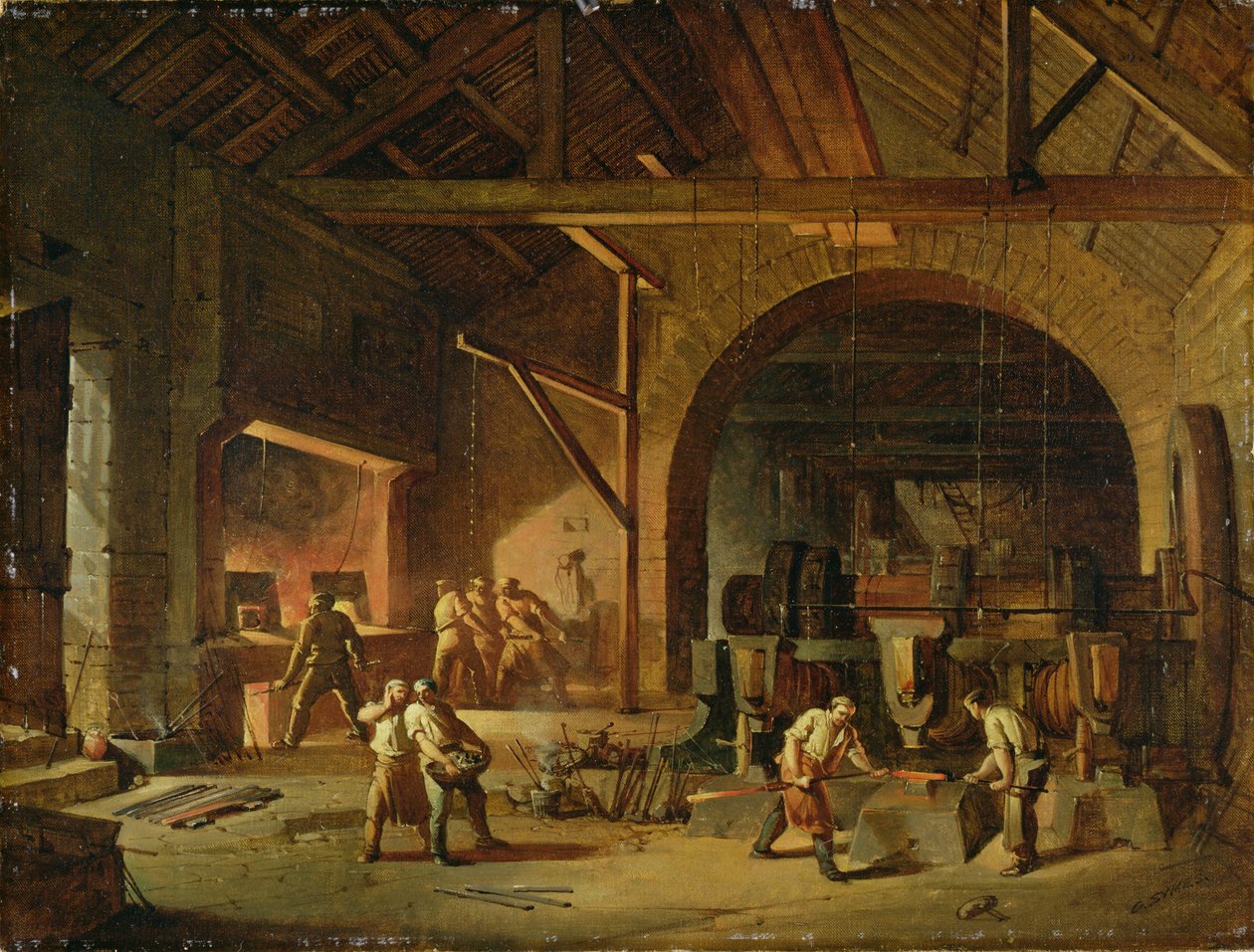
In the late 19th century, the Industrial Revolution introduced new tools and processes, but hand-forging remained a respected trade. As cities grew and architecture became more ornate, wrought iron evolved into a design feature as much as a utility.
-
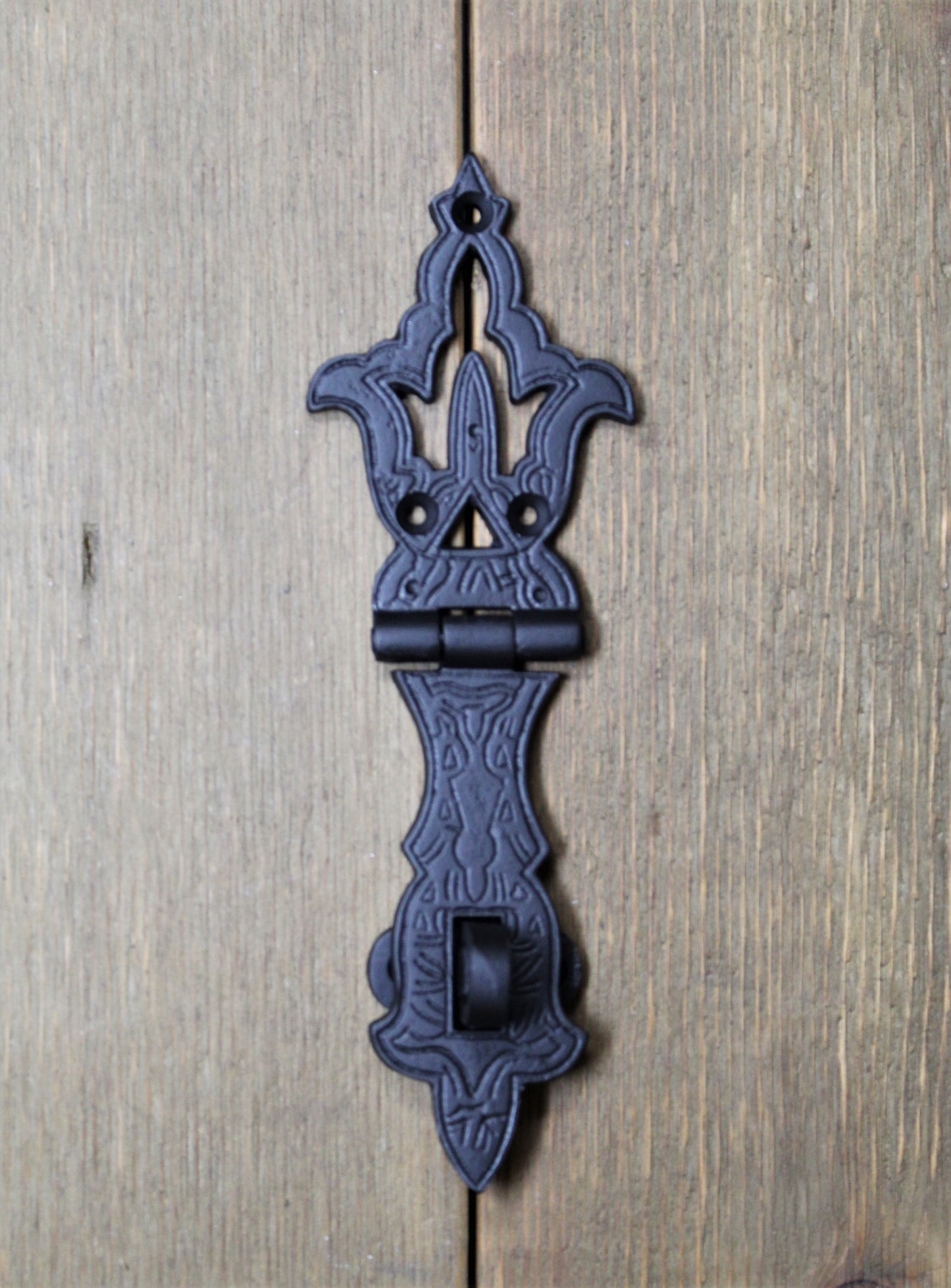
Ornamental railing systems, balconies, and staircases began incorporating decorative scrollwork and flourishes.
-
Fireplace surrounds, curtain rods, and shelf brackets became canvases for artisan ironworkers.
-
Wrought iron furniture—indoor and out—entered American homes and gardens with style and grace.
This era cemented wrought iron's role as both structural and beautiful—a tradition that continues to this day.
The Revival of Heritage Hardware
Today, homeowners are once again turning toward hand-forged ironwork—not just for its durability, but for its soul. In a world filled with mass-produced plastic and hollow-core shortcuts, American-made wrought iron is a return to roots.
At Old West Iron, we build each piece the way it used to be done:
-
One bracket, hinge, or bolt at a time.
-
Made in the USA by skilled hands.
-
Designed to be used, passed down, and appreciated—not just looked at.
Whether you're restoring a 19th-century farmhouse or bringing old-world charm into a modern build, custom wrought iron is a mark of craftsmanship that never goes out of style.

Where You Can See the Legacy Today
-
Historic homes with iron clavos and hand-forged knockers
-
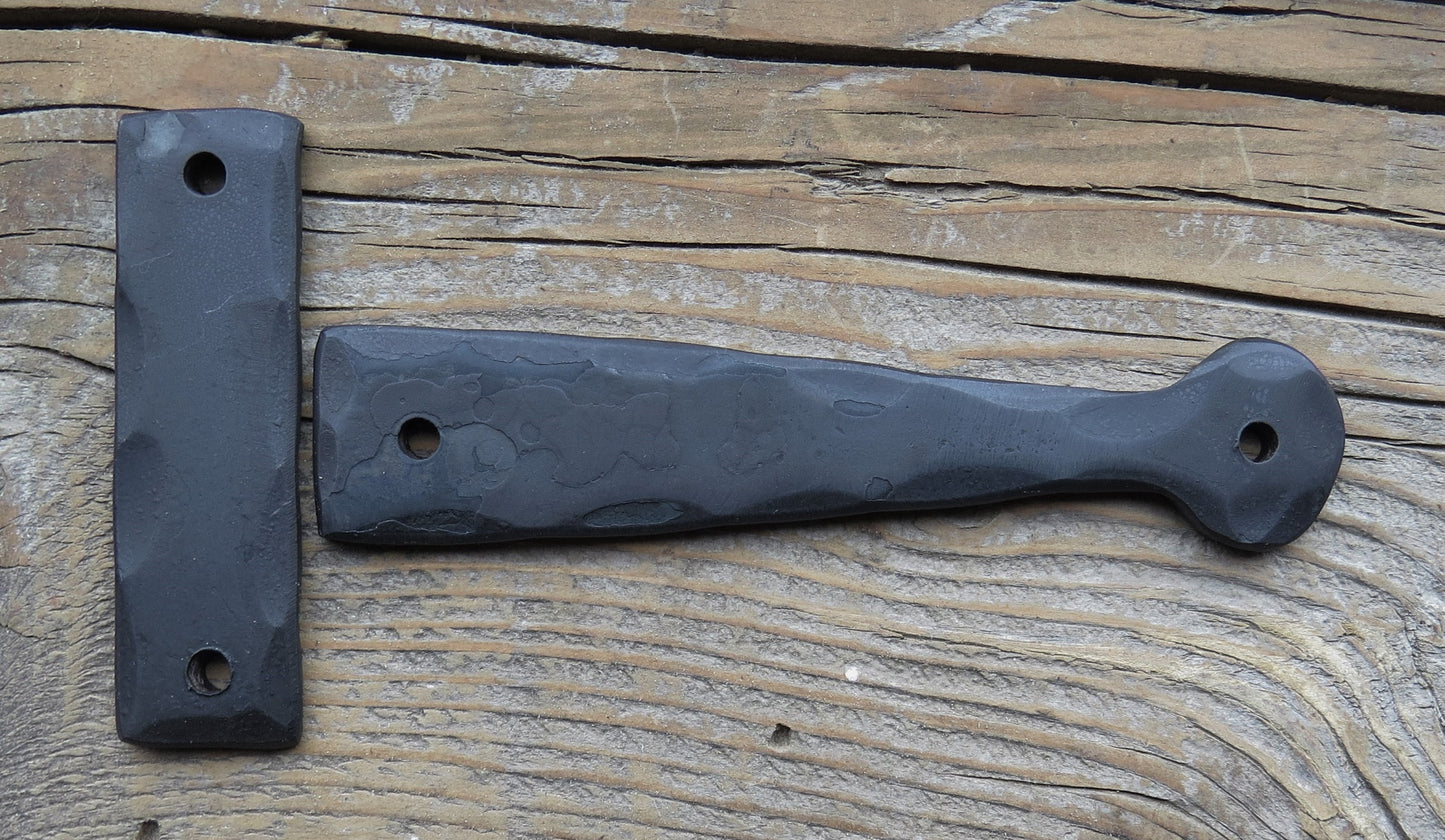
Timber frame builds using decorative brackets and T-plates
-
Cabins, lodges, and ranch homes featuring rustic strap hinges and iron nails
-
Restorations and remodels that honor original architecture with authentic finishes
Shop Our Full Heritage Hardware Collection »

The Legacy Lives On
From the forge to your front door, wrought iron is more than material—it’s memory made solid. It carries the mark of tradition, the integrity of craftsmanship, and the quiet power of something built by hand.
And as long as there are homes worth building with heart, we’ll keep forging the iron to match.
Stay strong, stay true—
Maddison Mellem
Writing from the forge at Old West Iron