


Accueil
>
Bienvenue sur notre blog
>
Blacksmithing in the Colonial Era: Forging the Backbone of Early America

Blacksmithing in the Colonial Era: Forging the Backbone of Early America
par Maddison Mellem sur May 06, 2025In colonial America, the blacksmith was more than just a tradesman — he was essential to the survival and growth of every settlement. From the earliest English colonies in the 1600s through the American Revolution, blacksmiths played a vital role in building the infrastructure, tools, and everyday goods needed to support a developing nation.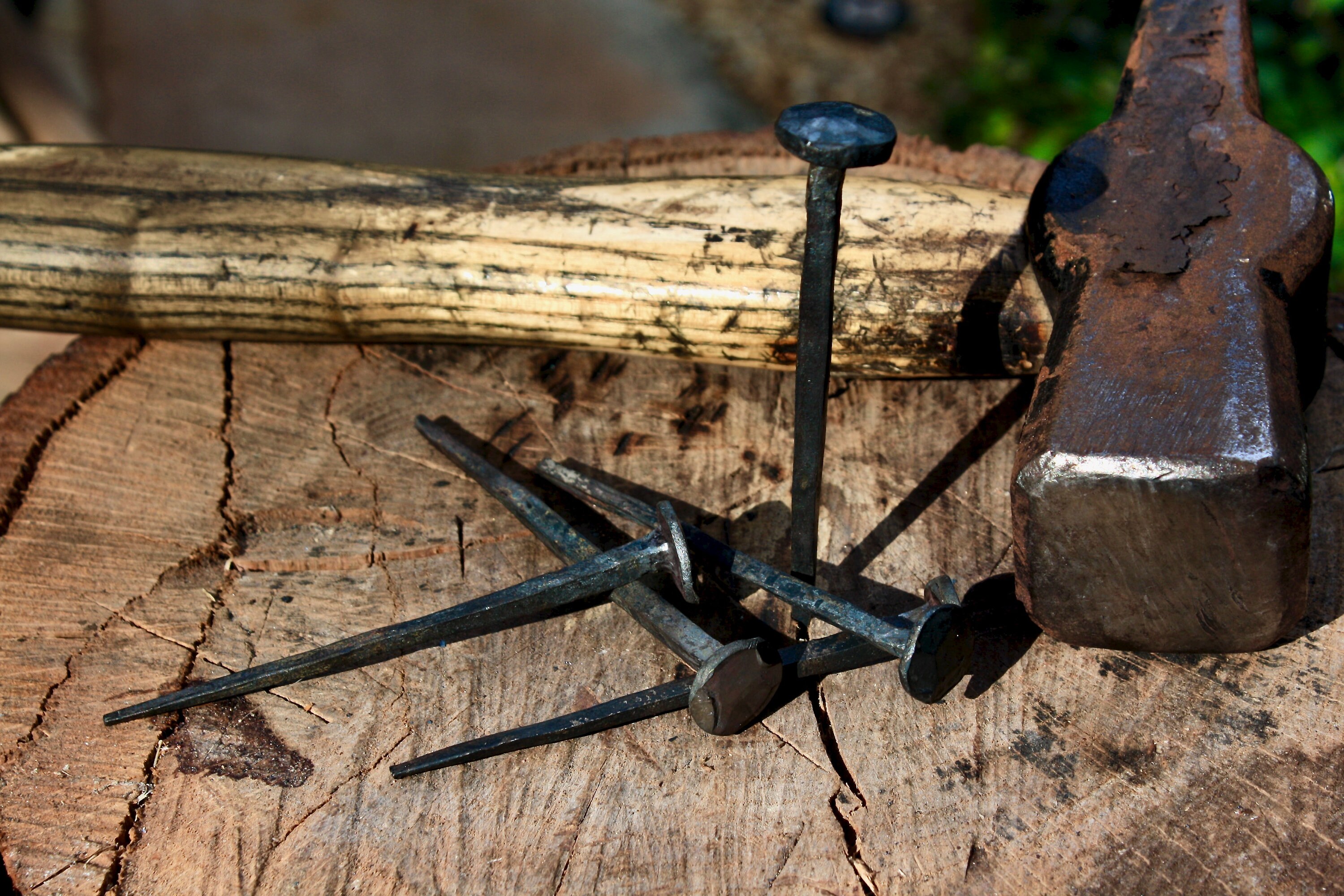
The Role of the Colonial Blacksmith
Colonial blacksmiths were highly respected craftsmen whose work touched nearly every aspect of daily life. Unlike modern specialists, these early smiths had to be jacks-of-all-trades. They made and repaired farm tools, household items, weapons, horseshoes, architectural hardware, and even parts for wagons and mills. Their forges were the heartbeat of a town or plantation, often situated near the town center for accessibility.
Some of the most common items forged included:
-
Nails and hinges for homes and barns
-
Axes, hoes, and plowshares for agriculture
-
Cooking utensils such as spits, trivets, and ladles
-
Hardware like latches, locks, and hooks
-
Iron components for carts and carriages
-
Horseshoes and farrier tools
Blacksmiths also collaborated with other trades, such as wheelwrights and coopers, supplying iron fittings and fasteners for wooden goods.

Tools and Techniques
Colonial smiths used a combination of fire, hammer, and anvil to shape wrought iron. The process began with heating raw iron bars in a charcoal-fired forge until they were malleable. Once glowing hot, the iron was shaped using tongs, chisels, fullers, and various hammers.
Key tools in a colonial forge included:
-
A bellows, often powered by foot or hand, to feed oxygen to the fire
-
An anvil, typically weighing 100–200 pounds, as the main work surface
-
Swage blocks and hardy tools for shaping curves, holes, and special forms
The skill required to read the heat of the metal, understand its behavior, and strike with precision was developed through years of apprenticeship — often beginning in youth and continuing well into adulthood.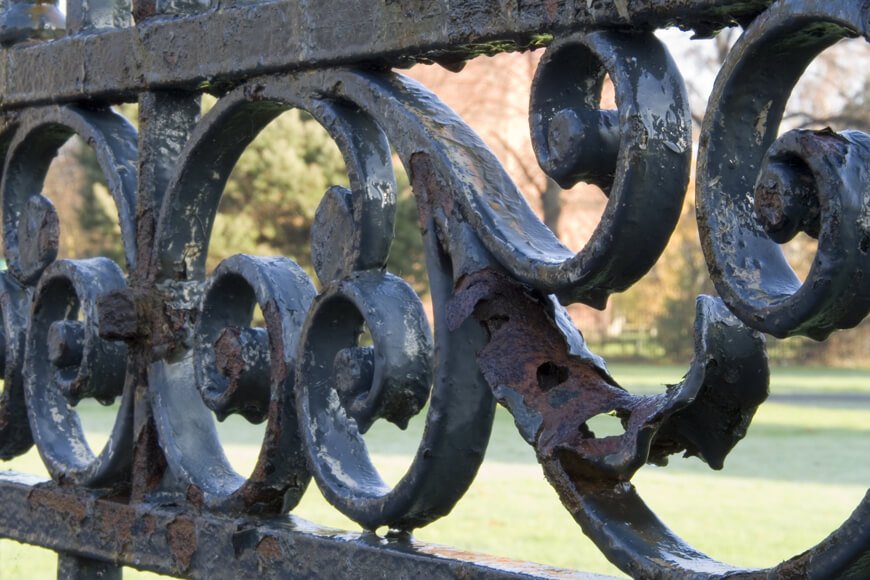
Materials and Limitations
Wrought iron was the primary metal used, prized for its toughness and malleability. Steel was rare and expensive in the early colonial period, and often reserved for high-stress items like knife edges or woodworking tools. Reuse and recycling were common — colonial smiths frequently repurposed scrap or imported iron due to high material costs and limited domestic production.

Regional Differences
Blacksmithing styles varied by region. In New England, for example, where Puritan frugality reigned, items were often simple and functional. In the South and Mid-Atlantic colonies, you might find more decorative flourishes — especially in architectural elements like hinges and strapwork. Urban blacksmiths in cities like Philadelphia or Williamsburg sometimes specialized in finer goods, including ornamental ironwork and even gunsmithing.

Tying the Past to the Present: Old West Iron’s Tradition
At Old West Iron, we carry on the legacy of colonial-era blacksmiths — not just in the products we make, but in how we make them.
Like the smiths of early America, we forge every piece by hand, using fire and hammer, shaping iron into hinges, latches, brackets, and decorative elements that blend historical authenticity with modern strength. Our work is rooted in tradition, but it’s built for today — for homes and builders who still value integrity, heritage, and American craftsmanship.
When you choose Old West Iron, you're not just buying hardware. You’re investing in a process that’s been tested over centuries — a continuation of the craft that helped build a nation.
FAQ
Q: What did colonial blacksmiths make?
A: Colonial blacksmiths produced a wide range of essential goods—tools, nails, hinges, fireplace accessories, farming implements, wagon parts, and architectural hardware—everything needed to build homes, barns, and communities.
Q: What tools did a colonial blacksmith use?
A: Common tools included anvils, hammers, tongs, bellows, chisels, and swage blocks. These enabled them to heat, shape, and finish iron for functional and decorative use.
Q: Why was blacksmithing important in colonial America?
A: Blacksmiths were vital to daily life. They supported agriculture, construction, transportation, and defense with durable iron tools and hardware—often working from dawn until dusk to meet demand in growing settlements.
Q: What finishes did colonial ironwork typically have?
A: Most colonial ironwork had a raw or naturally scaled finish, often darkened by soot, oil, or age. It was valued for function over polish, though some blacksmiths added decorative scrolls or textured details.
Q: How does Old West Iron carry on this tradition?
A: We use many of the same hand-forging techniques to create historically inspired ironwork, blending heritage craftsmanship with modern quality standards—made in the USA, one piece at a time.
Explore our collections to experience authentic, hand-forged ironwork inspired by the colonial era and beyond.